Top Benefits of Preventive Septic Services for Your Home


A septic system is easy to forget when it is working well. That is part of the problem. Unlike a furnace that gets noisy or a roof that starts dripping, a septic system often gives homeowners very little warning before trouble becomes expensive, messy, and disruptive. By the time sewage backs up into a shower drain or a soggy patch appears over the drain field, the damage is already underway.
Preventive septic services are the practical answer to that quiet risk. They keep a system functioning efficiently, extend its usable life, reduce emergency repairs, and protect the home, the yard, and the people living there. Homeowners who stay ahead of maintenance usually spend less over time, deal with fewer unpleasant surprises, and avoid the kind of failure that can disrupt a household for days or even weeks.
The value of prevention is not theoretical. Anyone who has seen a failed tank lid, a clogged baffle, or a drain field overloaded by years of neglect understands how quickly a manageable maintenance cost can turn into a major project. The strongest argument for routine septic care is simple: small interventions are far easier to handle than full system failure.
What preventive septic services actually include
When people hear the phrase septic services, they often think only of pumping the tank. Pumping is important, but preventive care is broader than that. A well-maintained septic system benefits from regular inspection, careful monitoring of sludge and scum levels, assessment of inlet and outlet components, and attention to water use patterns inside the home.
A proper service visit usually looks at how the entire system is behaving, not just whether the tank is full. That means checking whether wastewater is flowing into the tank properly, whether solids are being retained as they should be, whether effluent is moving toward the drain field without obstruction, and whether any early signs of failure are appearing in the yard or plumbing fixtures.
For a homeowner, that broader approach matters. A tank may not be overdue for pumping and still have an issue that needs attention. A cracked riser, damaged filter, root intrusion, or evidence of hydraulic overloading can all show up before the tank technically reaches pumping threshold. Preventive service catches those conditions while there is still time to correct them cheaply.
The biggest financial benefit is avoiding catastrophic failure
Septic maintenance is often judged by what it costs in the moment. Pumping every few years, paying for inspections, and replacing small components can feel optional when there is no obvious problem. That thinking usually changes after a backup or drain field failure.
A routine pumping appointment typically costs a fraction of what homeowners pay for emergency response, contaminated cleanup, plumbing restoration, and partial yard reconstruction. If a failed system damages flooring, drywall, or personal belongings, the cost can climb quickly. In some areas, replacing a drain field or redesigning a system to meet current code requirements can run into the tens of thousands of dollars.
The financial advantage of preventive septic services comes from controlling risk before it compounds. Solids that remain in the tank too long can move into the drain field and begin clogging soil pores. Once the drain field is compromised, the issue is no longer just inside the tank. Repair options become more invasive, more regulated, and far more expensive.
There is also a timing benefit. Planned service can be scheduled when it suits the household and when contractors are available. Emergency work usually happens under pressure, sometimes after hours, often at premium rates, and rarely on a homeowner’s preferred timeline.
A longer system lifespan is one of the most overlooked advantages
A septic system is not disposable infrastructure. With proper care, many systems can serve a home for decades. Without it, even a well-built system can decline early.
The tank itself is durable, but septic systems fail through neglect in ways that are predictable. Excess solids shorten drain field life. Damaged tees and baffles let material escape where it should not. Water overload, whether from leaking toilets, frequent laundry surges, or poor grading around the field, puts stress on treatment capacity. Each of these issues chips away at the system’s useful life.
Homeowners sometimes assume age alone determines whether a septic system must be replaced. In practice, maintenance history matters just as much. I have seen older systems remain serviceable because owners pumped on schedule, fixed leaks promptly, and kept heavy traffic off the drain field. I have also seen younger systems deteriorate quickly because no one checked them until sewage surfaced in the yard.
Preventive septic services help preserve the most expensive part of the system, which is usually the part that cannot be repaired easily. Replacing a filter or pumping a tank is straightforward. Rehabilitating or replacing a failing drain field is not.
Better protection for your home’s plumbing
A neglected septic system often reveals itself first through indoor plumbing symptoms. Drains become sluggish. Toilets flush weakly. A tub may gurgle when another fixture runs. These signs are sometimes mistaken for a local clog, and occasionally that is all they are. But when several fixtures begin acting up at once, the septic system may be struggling downstream.
Preventive service lowers the chance of those symptoms by keeping the system clear and balanced. It also gives a technician the opportunity to identify whether a home has warning signs that owners may not recognize. For example, if the tank level is unusually high, if solids are not settling properly, or if the outlet filter is repeatedly clogging, the problem may be tied to household water use or a hidden plumbing issue.
This matters because septic problems inside a house are not merely inconvenient. Wastewater backups can damage flooring, baseboards, cabinetry, and finished lower levels. The smell alone can make a living space difficult to use. Cleanup is unpleasant and often urgent. Preventive care reduces the chance that a routine morning turns into a sanitation emergency.
Health and sanitation risks stay lower with regular care
Septic wastewater contains pathogens and contaminants that do not belong in living spaces, surface soil, or nearby water sources. A working system treats and disperses wastewater in a controlled way. A failing one can expose people and pets to avoidable health risks.
This is especially important for families with young children, older adults, or anyone with a compromised immune system. Wet areas in the yard may look like a nuisance at first, but they can indicate untreated or partially treated effluent reaching the surface. If a backup occurs indoors, the cleanup is not just about drying a floor. Materials may need disinfection or removal, and contaminated items may not be salvageable.
Preventive septic services reduce those risks by helping the system treat waste the way it was designed to. That includes managing solids before they reach the drain field, ensuring proper flow, and identifying components that have deteriorated. It also gives homeowners a chance to ask practical questions about cleaners, disposal habits, water use, and what should never go down a drain.
You protect your yard, landscaping, and outdoor usability
https://www.flickr.com/people/204701822@N05/Most homeowners think of septic care in terms of plumbing, but the yard often pays the price when maintenance is ignored. A stressed or failing system can create soggy patches, unusually lush strips of grass, persistent odor, and unstable ground over the tank or field area. In severe cases, landscaping has to be torn up for repairs or replacement.
That loss is more than cosmetic. A yard that smells, holds standing moisture, or cannot support normal use stops functioning as part of the property. Children cannot play there comfortably. Entertaining outdoors becomes less appealing. Garden plans may need to change. Equipment access for repair crews can damage fencing, irrigation lines, decorative borders, and mature plantings.
Regular septic services help homeowners preserve the landscape by catching issues before excavation becomes necessary. A technician may notice early signs of ponding, root intrusion, or vehicle compaction over a drain field and recommend changes while the fix is still manageable.
Water efficiency becomes more meaningful when you have a septic system
Homes connected to municipal sewer rarely think about how day-to-day water habits affect waste treatment. Septic homeowners do not have that luxury. Every gallon used indoors eventually enters a system with finite treatment and dispersal capacity.
Preventive service often reveals how strongly household habits influence performance. A family that spaces out laundry loads, repairs leaking fixtures, and uses water-efficient appliances generally puts less hydraulic stress on the system. A home with an older toilet that runs continuously or a busy weekend pattern of back-to-back showers, laundry, and dishwasher cycles may overwhelm a marginal system faster than expected.
The benefit here is not only lower utility consumption. Good water management works hand in hand with septic health. It reduces the chance of pushing partially settled solids out of the tank and gives the drain field a better opportunity to absorb and treat effluent. Preventive service reinforces those habits by showing homeowners where system strain may be building.
Preventive care supports property value and smoother home sales
Septic systems tend to become highly visible during a real estate transaction. Buyers ask about age, pumping history, inspection records, known repairs, and any prior backups or drain field concerns. A homeowner who has documentation of regular septic services is in a much stronger position than one who can only say the system has “seemed fine.”
That record matters because buyers and lenders do not like uncertainty around wastewater infrastructure. If an inspection uncovers deferred maintenance, the negotiation often changes quickly. A seller may be forced to pump, inspect, repair, or escrow funds under tight deadlines. In some markets, a questionable septic system can delay closing or reduce buyer confidence enough to affect price.
Preventive maintenance supports resale by making the system easier to evaluate and easier to trust. It also reduces the chance of discovering avoidable problems just as the house goes under contract, which is one of the worst moments to learn that a relatively small service issue has been ignored for years.
Routine service helps homeowners understand their specific system
Not all septic systems behave the same way. Tank size, household occupancy, soil conditions, age, local climate, and system design all influence maintenance needs. A three-bedroom house with two full-time occupants may not require the same pumping schedule as a similar home with five residents, frequent guests, and heavy laundry use. A conventional gravity system may have different vulnerabilities than a system with pumps, filters, or advanced treatment components.
That is why preventive septic services are most useful when they are tailored, not treated as a one-size-fits-all chore. A good service provider helps homeowners understand their own setup, what normal looks like, and what changes would be concerning. Over time, that knowledge makes owners better at spotting warning signs early.
The most useful advice is often specific and ordinary. Do not drive over the drain field. Divert roof runoff away from treatment areas. Keep a record of pumping dates. Know where the tank lids and access points are before an emergency. These are not glamorous details, but they make ownership easier and prevent panic when a symptom appears.
Signs that it is time to schedule septic services
Some homeowners maintain a regular schedule and never wait for symptoms. That is ideal. Others need a prompt from the system itself. If any of the following are happening, a service call is wise sooner rather than later:
- Drains throughout the house are slowing down at the same time.
- Toilets gurgle or back up without an obvious local clog.
- There is sewage odor near the tank, yard, or inside the home.
- Grass over the drain field is consistently wetter, greener, or spongier than surrounding areas.
- It has been several years since the last inspection or pumping, and no one is sure of the tank’s current condition.
None of these signs automatically means the system has failed. They do mean the odds of a preventable issue are high enough that waiting is usually the more expensive choice.
What homeowners can do between professional visits
Preventive septic services are most effective when homeowners support them with sensible daily habits. The system does not need special treatment, but it does need consistent respect. People get into trouble when they treat a septic tank like a trash can or when they assume any product labeled “flushable” must be safe.
A few practical habits make a noticeable difference:
- Spread high-water activities through the week instead of stacking them into a few hours.
- Keep grease, wipes, hygiene products, paper towels, and harsh nonapproved materials out of the drains.
- Repair leaking toilets and faucets promptly.
- Protect the drain field from vehicles, heavy structures, and excess runoff.
- Save records of inspections, pumping, and repairs so future decisions are based on facts, not guesses.
These habits do not replace professional septic services, but they complement them well. Think of them as the daily discipline that allows periodic maintenance to work.
The hidden benefit is peace of mind
There is a practical calm that comes from knowing a critical system has been checked, serviced, and documented. That matters more than many homeowners realize. Septic problems have a way of surfacing at inconvenient times, before guests arrive, during heavy rain, or when the family is already dealing with another repair. Preventive maintenance does not guarantee that nothing will ever go wrong, but it sharply improves the odds that problems will be smaller, slower-moving, and easier to solve.
Peace of mind may sound less tangible than cost savings, but it has real value. Homeownership already comes with enough uncertainty. When a septic system is on a sensible service schedule, one major unknown becomes more predictable. That predictability helps with budgeting, planning, and basic confidence in the home itself.
Why timing matters more than many people think
The best time to schedule preventive septic services is before there is a reason to worry. Once standing water appears or sewage enters the home, the conversation changes from maintenance to response. At that stage, choices narrow and costs rise.
Season matters too. In many areas, service providers get busier during certain months, especially after wet periods or around peak real estate activity. Scheduling routine work before the rush gives homeowners better flexibility and more time to act on recommendations. If pumping reveals a damaged baffle or a filter that needs replacement, it is far easier to handle that under normal conditions than during an emergency call.
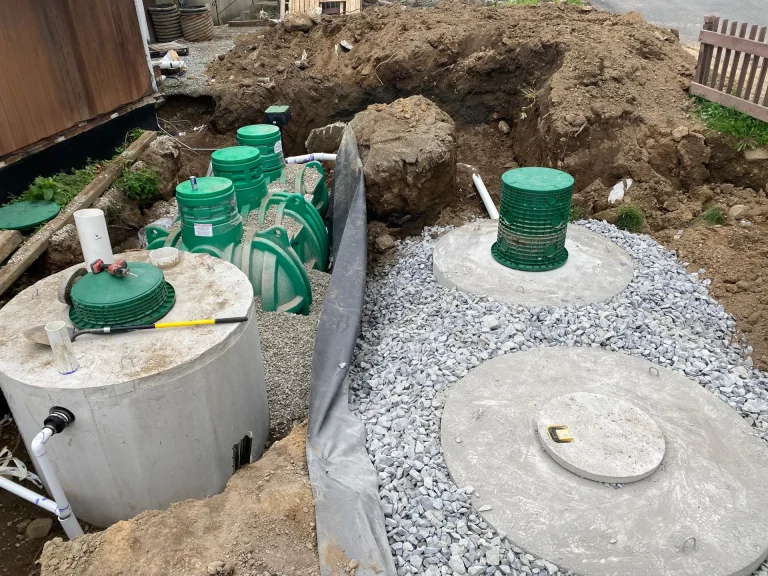
There is also a common mistake worth mentioning. Some homeowners delay pumping because the system “has never had a problem.” That statement often just means the accumulation has been invisible so far. Septic issues do not reward optimism. They reward observation, records, and maintenance done on time.
Good preventive care is cheaper than avoidable regret
The strongest case for preventive septic services is not dramatic. It is steady, practical, and backed by what happens in real homes every year. Owners who maintain their systems usually avoid the worst outcomes. They spend smaller amounts at predictable intervals. Their plumbing works more reliably. Their yards stay usable. Their property is easier to sell. Their risk of contamination, backup, and major excavation stays lower.
A septic system does not ask for constant attention, but it does require periodic care. That care is one of the more sensible investments a homeowner can make because it protects several expensive things at once: the house, the land, the plumbing, and the system itself. Preventive service is not an extra. For any home on septic, it is part of responsible ownership.
Excavating New Jersey LLC
Address: 406 County Rd 565, Wantage, NJ 07461
Phone number: +19737914284
FAQ About Septic Services
What is the average cost to get a septic tank emptied?
Emptying a septic tank costs between $290 and $560 on average, with most homeowners paying about $420. Prices vary based on tank size.
What is septic service?
Septic service inspects, pumps, cleans, and maintains a septic tank. A septic tank is a large, underground container that collects and treats wastewater from your home. Over time, sludge, scum, and other debris, like hair and solids, can build up in your tank and clog your drain field.
How often should you have a septic tank serviced?
A standard septic tank should be inspected every 1 to 3 years and pumped every 3 to 5 years. However, the exact schedule depends on your tank's capacity, household size, and daily water usage.